From Viewers to Fans: How Animation Builds Brand Fandom
Introduction
Getting someone to watch your content is one thing. Getting them to care about what happens next is something else entirely. As a Singaporean animation company, we know the importance of animation and how the real magic happens when audiences become emotionally invested enough to seek out more.
A video can rack up millions of views, but views alone don’t necessarily build a lasting relationship with a brand. This article explores 7 examples of when animation was used to form deeper connections with audiences, how it did so, and exactly what resulted from said connection.
From Arcane welcoming millions into the League of Legends universe, to KPop Demon Hunters leveraging existing interest to build a real fandom for a fictional group, these examples look at the different ways animation for brands can transform passive viewers into active fans.
- Arcane/League of Legends: Giving Outsiders a Way In
- Cyberpunk: Edgerunners/Cyberpunk 2077: From Watching to Revenge
- The LEGO Movie/LEGO: Giving a Brand a Personality
- Pokémon: When Characters Become the Brand
- The Witcher: Nightmare of the Wolf/The Witcher: Giving Fans More to Explore
- KPop Demon Hunters: Building a New Fandom Using an Existing One
- Disney: When Fandom Lasts for Generations
1. Arcane/League of Legends: Giving Outsiders a Way In
League of Legends (LoL), is a multiplayer online battle arena (MOBA) game developed by Riot Games in 2009. As one of the most popular MOBA games, its enduring popularity was centred around its competitive gameplay: Players chose from an ever-expanding roster of champions, competing in a game that has since become one of the defining titles in esports. Yet, for much of its early life, the depth of their universe was secondary to the game itself.
Then came LoL’s Arcane.
An animated action-adventure TV series loosely based on the lore of the game, Arcane strips away the barrier of complex game mechanics and focuses the show in what makes its champions fundamentally human. Therein lies the genius of Arcane – audiences didn’t need to play LoL to care for its characters. The series turns these champions into people audiences can relate to, immersed in their struggles with ambition, betrayal, and heartbreak.
Riot Games describes Arcane as a way of bringing a deeper cinematic experience from the world of League of Legends to audiences around the world. For existing players, this meant expanding a universe they already loved. For everyone else, it created a doorway into a previously inaccessible world. For instance, the main character, Jinx, transforms from ranged marksman to Powder, a complicated woman whose turbulent relationship with her sister, Vi, forms the emotional core of the story.
This is where animated brand storytelling can be particularly effective. You don’t always need to convince someone to love the original first. Give people a reason to love the world, and the product becomes the natural next step.
2. Cyberpunk: Edgerunners/Cyberpunk 2077: From Watching to Revenge
Set in the same world as Cyberpunk 2077, a 2020 action-roleplaying game developed by CD Projekt Red, Cyberpunk: Edgerunners is a spin-off anime standalone which follows David Martinez, a street kid trying to survive in the dystopian Night City.
As the story progresses, audiences become emotionally invested in David and his crew, like Lucy, Rebecca, and Maine. This directly translates into the game’s resurgence, as players revisit the game to “seek revenge” on antagonists.
Perhaps the clearest example of this is the character of Adam Smasher. Prior to watching Edgerunners, players encountering Smasher in-game might simply have seen him as another tough boss, a standard villain standing between them and the end of the game. After having witnessed the devastation he inflicts on characters viewers have grown attached to in Edgerunners, players return to the game with vengeance in mind.
Forbes reports players returning to Cyberpunk 2077 in droves, specifically to take down Smasher. This reaction became a running part of the fandom, with Gamesport reporting the game seeing a huge resurgence as a result, hitting one million players each day during the week after Edgerunners premiered.
This instance of animated brand storytelling didn’t just remind audiences that Cyberpunk 2077 existed, it gave them an emotionally charged reason to go to (or go back to, for those who’d already played the game) Night City themselves, effectively converting an entertainment audience into a gaming audience.
3. The LEGO Movie/LEGO: Giving a Brand a Personality
LEGO is far from an obscure brand. But, The Lego Movie gave LEGO something even more valuable: personality.
All of a sudden, LEGO wasn’t just a pile of colourful bricks. It represented Emmet’s optimism, Wyldstyle’s confidence, or LEGO Batman’s ridiculous self-seriousness. The characters gave the brand a face and personalities audiences could recognise and recall.
The LEGO Movie helped transform a product-led brand into entertainment property. The promotional material around the sequel, for instance, was able to leverage Emmet, Lucy, and LEGO Batman as characters in their own right, with LEGO Batman even being distinctive enough to warrant his own feature film.
The movie’s personality also reinforced the qualities that make LEGO as a product appealing in the first place: creativity, imagination, humour, and play. It’s one of the strengths of animated brand storytelling. A product can have features, but a character has personality that audiences can root for and fall in love with. Instead of merely playing with LEGO, animation turned the brand into something audiences could quote, dress up as, and share even when there aren’t any bricks in sight.
4. Pokémon: When Characters Become the Brand
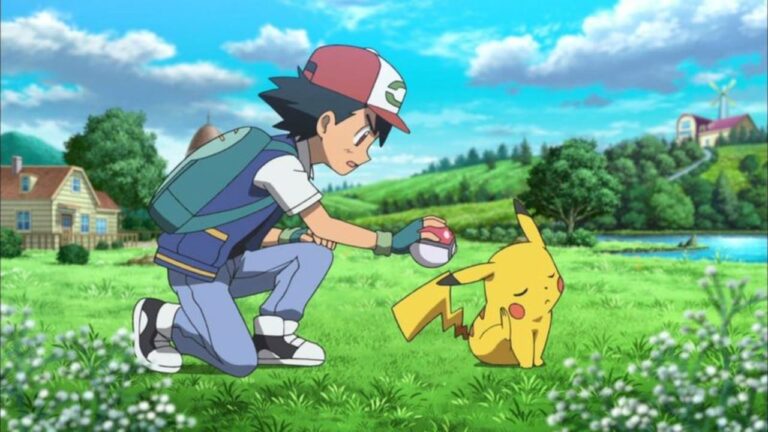
Few examples in brand storytelling that showcase the emotional power of animation better than Pokémon’s Pikachu.
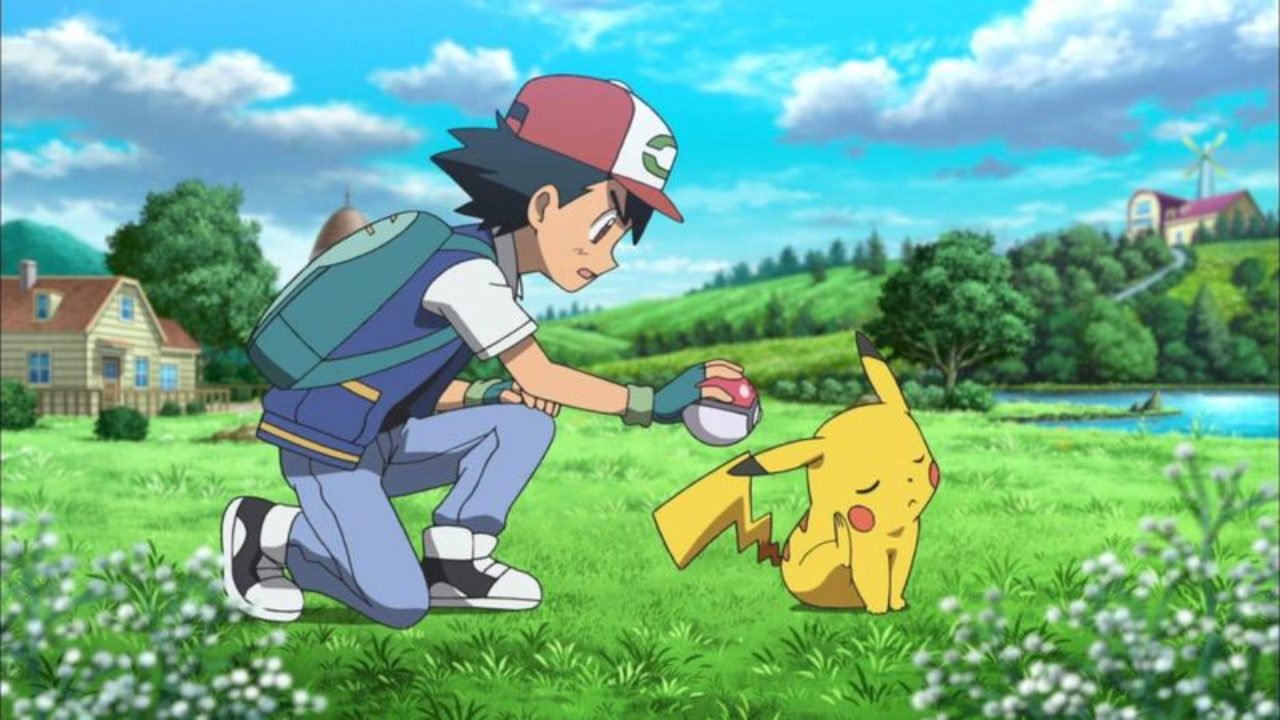
In the original Pokémon games, Pikachu is one Pokémon among many. Players can catch them, train them, and use them in battles. Then Pokémon the animated series introduced audiences to Pikachu, Ash’s companion.
Through Ash, audiences saw Pikachu as more than just a random creature on a team. Pikachu could be stubborn, or frightened, or mischievous, or brave. There’s something undeniably endearing about watching a little electric mouse celebrate victories and experience genuine moments of vulnerability.
While a game can tell you that a character is important, animated storytelling shows you why you should care about them. One of the emotional pillars of the franchise is Ash and Pikachu’s relationship. Audiences who grew up with the animated series recognise Pikachu, and form genuine attachment to him, elevating a game character into a brand asset.
Animation gave Pokémon something a product catalogue alone could never provide: a personality audiences could grow up with and stay loyal to. From clothing, toys, movies, and countless other products, Pikachu is the face of a brand that managed to leverage the emotional connection crafted by animated storytelling, and translated to audiences.
5. The Witcher: Nightmare of the Wolf/The Witcher: Giving Fans More to Explore
Sometimes, the goal of brand animation is to give its existing fandom another reason to stay.
The Witcher: Nightmare of the Wolf takes a different approach from properties like Arcane and Cyberpunk: Edgerunners. Instead of giving audiences more of what they already know with a story about the franchise’s best-known protagonist, Geralt, Nightmare of the Wolf instead takes you into the world of Vesemir, the oldest and most experienced witcher at Kaer Morhen, back when he was a cocky, young witcher.
For those already familiar with Geralt’s mentor, traveling back in time to his youth gives a completely different perspective on him. Suddenly, Vesemir isn’t just a supporting figure in Geralt’s story, he’s a character with a rich history of his own.
It’s one of the most valuable things animation can do for brands with an established universe. It can open new doors the main story doesn’t have the time to walk through. Nightmare of the Wolf gives fans another corner of The Witcher universe to explore, and that exploration can become a part of fandom in its own right. Fans discuss characters, compare stories, revisit lore, and ask what else might exist beyond what they’ve already seen.
The audience doesn’t just finish the movie and move on. The story makes the world feel bigger. For established brands, that can be just as powerful as attracting a new audience.
6. KPop Demon Hunters: Building a New Fandom Using an Existing One
KPop Demon Hunters is what happens when you take one of the world’s most passionate fandom cultures and build an animated universe around it.
The film does one thing right: it understands K-pop. While a superficial view of K-pop as a whole might reduce it to just a music genre, it’s so much more than that – from fashion to fan communities and idol culture.
With this understanding, KPop Demon Hunters builds its fictional world around the same behaviors that make K-pop fandoms so powerful. HUNTR/X feels like a real group. Rumi, Mira, and Zoey feel like real people with distinct personalities, and thanks to that, and some seriously good songs, these fictional idols can be treated almost like real K-pop idols.
So that’s what people did.
Songs from KPop Demon Hunters moved beyond the movie itself, with tracks like “Golden” and “Your Idol” actually enter the Billboard Hot 100. Fans also used the music in challenges and other content on social media in ways that mirror real K-pop promotion. Netflix has also highlighted the ways devoted viewers repeatedly returned to specific scenes, treating certain scenes almost like performances they wanted to relive.
It’s a fascinating example of brand animation because the movie didn’t have to invent the fan behaviour from scratch. It builds on an existing culture, borrowing language from real fandoms and giving audiences a new world to apply it to.
7. Disney: When Fandom Lasts for Generations
Then there’s Disney.
Picking just one example from Disney’s decades’ long repertoire would be impossible, so we’ve chosen to focus on how Disney demonstrates a brand’s animation becoming a part of people’s lives.
Think about what happens after the credits roll on a Disney movie. A child watches Frozen and becomes obsessed with Elsa. They sing the songs, they dress up as Elsa for Halloween, they collect the toys, they visit the parks. Years later, they introduce their favourite character to their own children and the cycle continues.
The phenomenon can be summed up in the “Disney adult”. The film was only the beginning. It’s the ultimate form of brand storytelling for the fictional world to continue to exist in people’s lives long after the movie has ended.
Disney characters have become cultural fixtures precisely because audiences interact with them across so many different touchpoints. They appear in merchandise, attractions, sequels, spin-offs, costumes, and live experiences. Properties like Mickey Mouse and the Disney Princesses aren’t confined to the films that introduced them and are instead worlds that audiences can enter again and again. Where you might stop being a fan of something like The Wiggles as you grow up, you never grow out of being a Disney fan.
Animation can therefore create something that conventional advertising rarely achieves: fandom that can outlive the original audience and be passed from one generation to another.
Bringing Everything Together
These examples demonstrate that there isn’t a single formula for creating fandom when it comes to brand animation.
- Arcane brings outsiders into an existing universe.
- Cyberpunk: Edgerunners makes audiences care enough to revisit the game.
- The LEGO Movie gives a product-led brand a face and personality.
- Pokémon turns characters into emotional brand assets.
- The Witcher: Nightmare of the Wolf gives existing fans more of a world they already love.
- KPop Demon Hunters builds a new property using the behaviours of an established fandom.
- Disney shows how those relationships can continue for generations.
The common thread is not simply that they watched, but what happened afterwards: They played the game, explored the wider universe, bought merchandise, or discussed the story with fellow fans. A viewer consumes content. A fan does something with it.
Conclusion: From Viewer to Fan
Most brands aren’t going to make the next Arcane or Pokémon, and they don’t need to. You can take the principles from each of the examples above and apply them on a much smaller scale, whether through memorable character work, a recurring visual world, or even immersive animation-led experiences.
The best brand animation doesn’t just capture attention – clickbait slop can do that just fine. Good animated brand storytelling gives audiences something to care about, characters to remember, and stories they want to return to.
The important takeaway is not simply asking how you can get people watching, but what you can create to make them want more.