Zootopia 2: Why It Works as a Modern Animated Film
Introduction: The Success of Zootopia 2
In a world of lackluster sequels and soulless money grabs, Zootopia 2 narrowly escaped the fate of being a forgettable flop. Yet, the film surged past the billion-dollar mark in just 17 days, remarkably reclaiming the number one box office spot in its third weekend. It demonstrated staying power that even the original film struggled to match, proving that audiences weren’t just showing up for nostalgia of 2016 – they were returning for the substance.
In an era where streaming platforms and short-form content compete for our attention, Zootopia 2 stands out as a case study in how modern animation succeeds when storytelling, design, cultural awareness, and marketing work together. This article breaks down how globally resonant characters and an ecosystem-driven promotional strategy helped them get there.
- Cross-Cultural Appeal: The “Gary the Snake” Phenomenon
- Relatable Characters with Chemistry Audiences Return For
- Themes Delivered Without Feeling Heavy-Handed
- Solid Storytelling Built on a Proven Formula
- World-Building That Expands Without Overwhelming
- Stylised Visual Design That Ages Well
- Technical Polish That Supports the Story
- Smart Marketing That Extended the Film Beyond the Screen
1. Cross-Cultural Appeal: The “Gary the Snake” Phenomenon
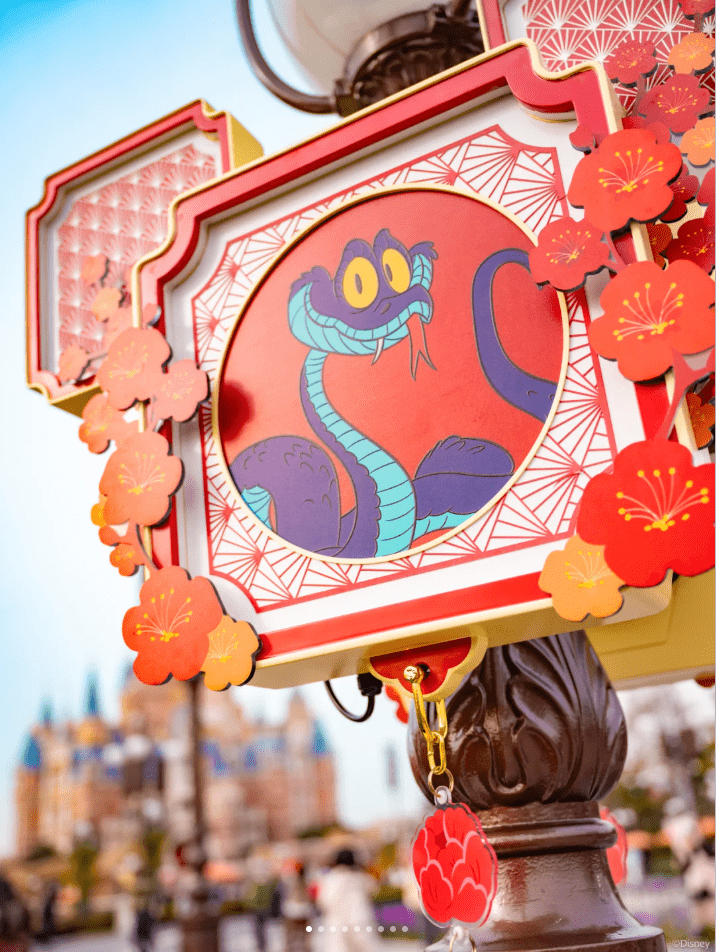
A great strength of Zootopia 2 is how intentionally it was designed for global audiences. While the original film resonated internationally (if $1.025 billion at the global box office is anything to go by), the sequel goes further to emphasize cultural inclusivity.
In 2016, Zootopia was a breakout hit in China, earning approximately $236 million, which set a record for the highest-grossing animated film in the Chinese market at that time. Going into the sequel, the creators leaned into their global audience, allowing audiences to connect deeply with Gary De’Snake (voiced by Ke Huy Quan).
By framing Gary as a nuanced, heroic vigilante rather than a villain, the film aligned with the 2025 Lunar Year of the Snake, a subtle creative decision that carried enormous emotional weight, tapping into cultural symbolism without the need for clunky exposition.
Similarly, characters like the quokka therapist, Dr. Fuzzby (voiced by Quinta Brunson) and Robert Furwin (voiced by the beloved Robert Irwin), were inclusions that enriched the world by offering audiences bits of familiarity without stereotyping.
2. Relatable Characters with Chemistry Audiences Return For
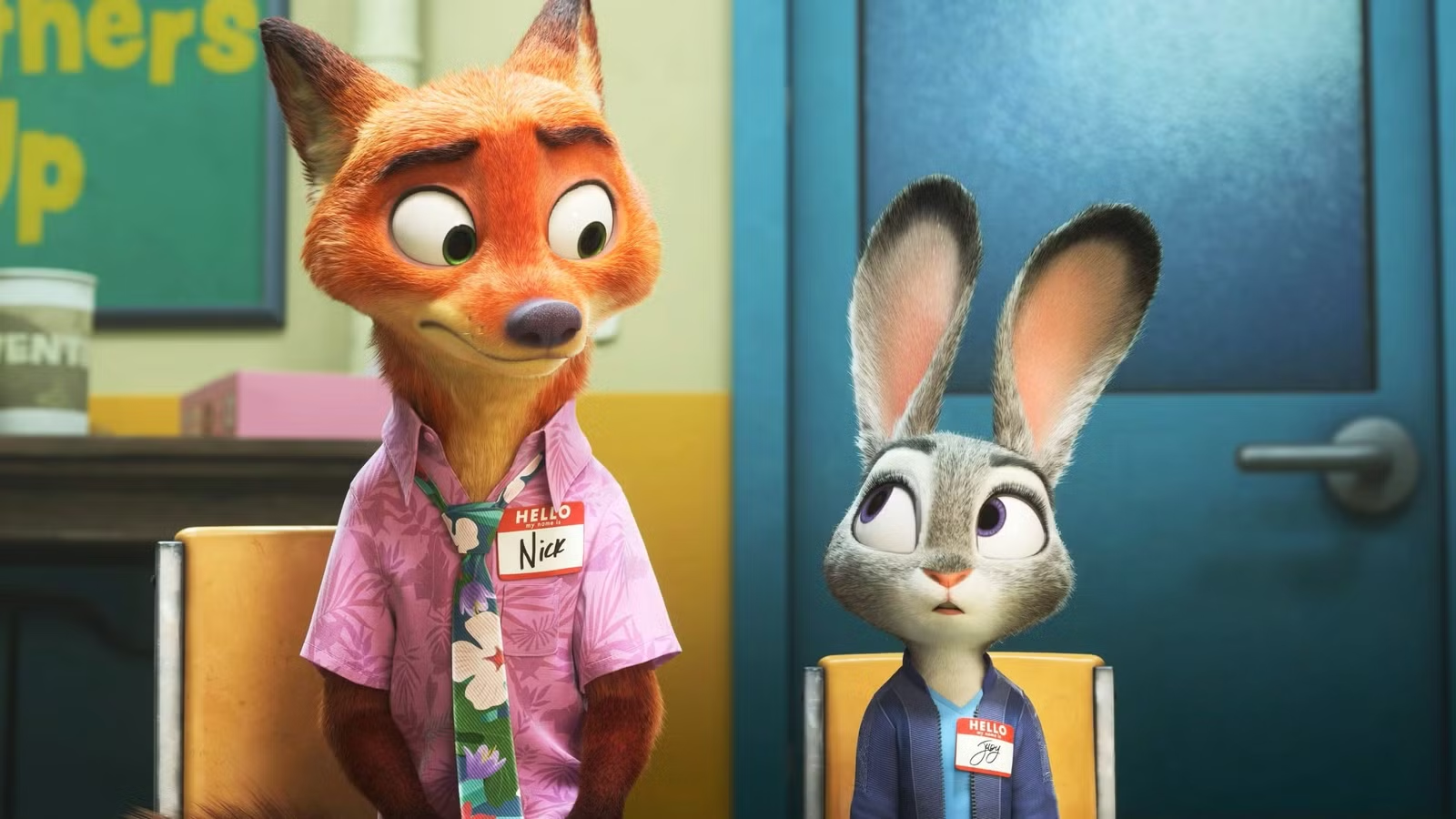
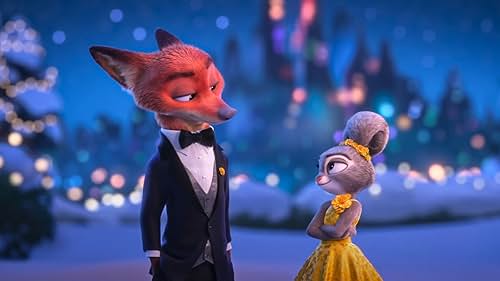
At the heart of Zootopia 2 is the evolution of Judy Hopps and Nick Wilde. Their chemistry remains sharp, but their relationship is tested through their “Partners in Crisis” therapy sessions with Dr. Fuzzby. A nine-year-old who had watched the original film at release might be hesitant to revisit the sequel at eighteen, which is why this film grows with its audience. Judy and Nick feel more lived-in and emotionally grounded, rewarding longtime fans while grounding the film’s higher stakes in personal growth.
The film also utilizes smaller fan-favorite characters and their quirks, like Officer Clawhauser’s comedic timing and the return of Flash the Sloth, which provides a connective tissue for the franchise without diluting or flanderizing characters for a one-off gag.
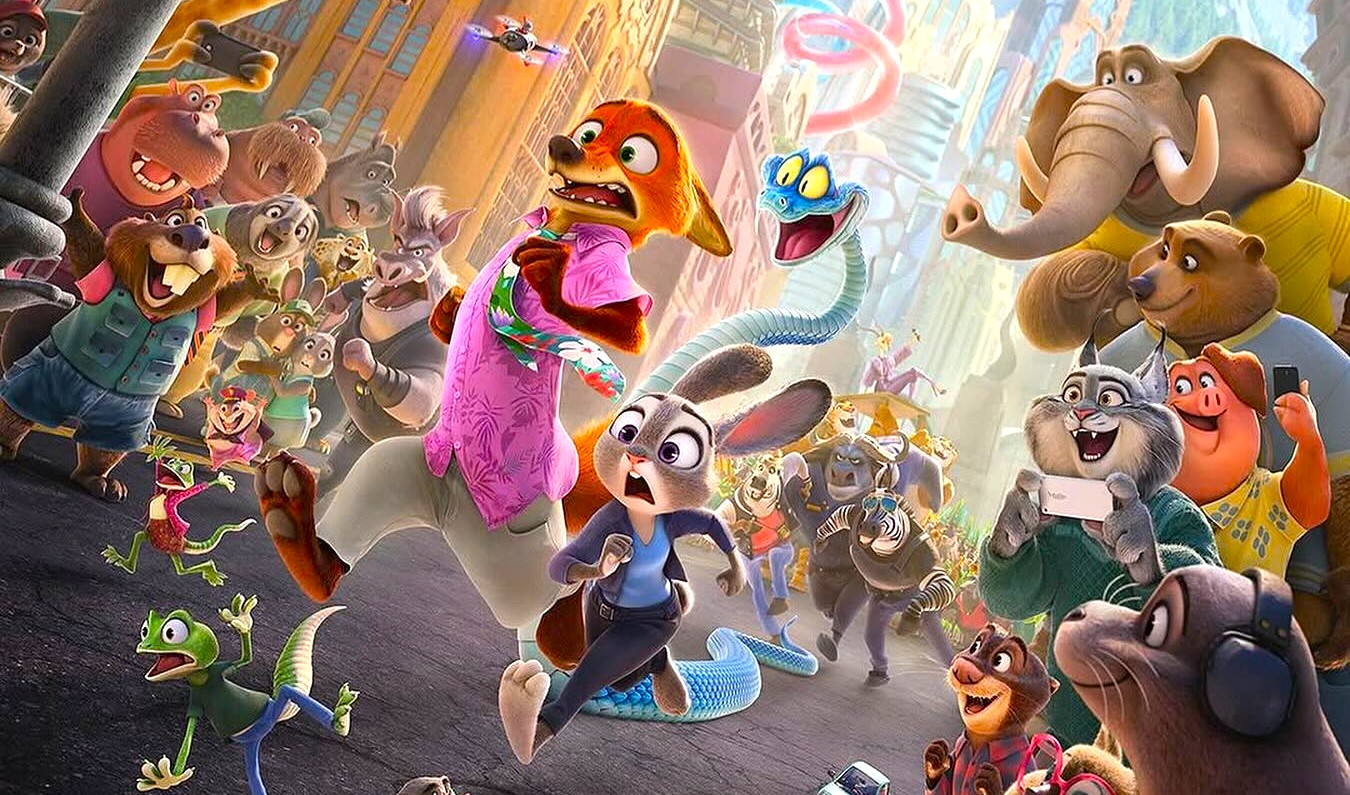
Visually, the animal designs remain colourful, expressive, and undeniably cute. They have clear silhouettes, oversized eyes, and exaggerated proportions which has the added benefit of making characters instantly readable, which is especially important for younger audiences. However, it’s the emotional relatability that ensures adults are just as invested. The characters struggle with trust, responsibility, and identity in ways that mirror real-world experiences, allowing the story to operate on multiple levels.
3. Themes Delivered Without Feeling Heavy-Handed
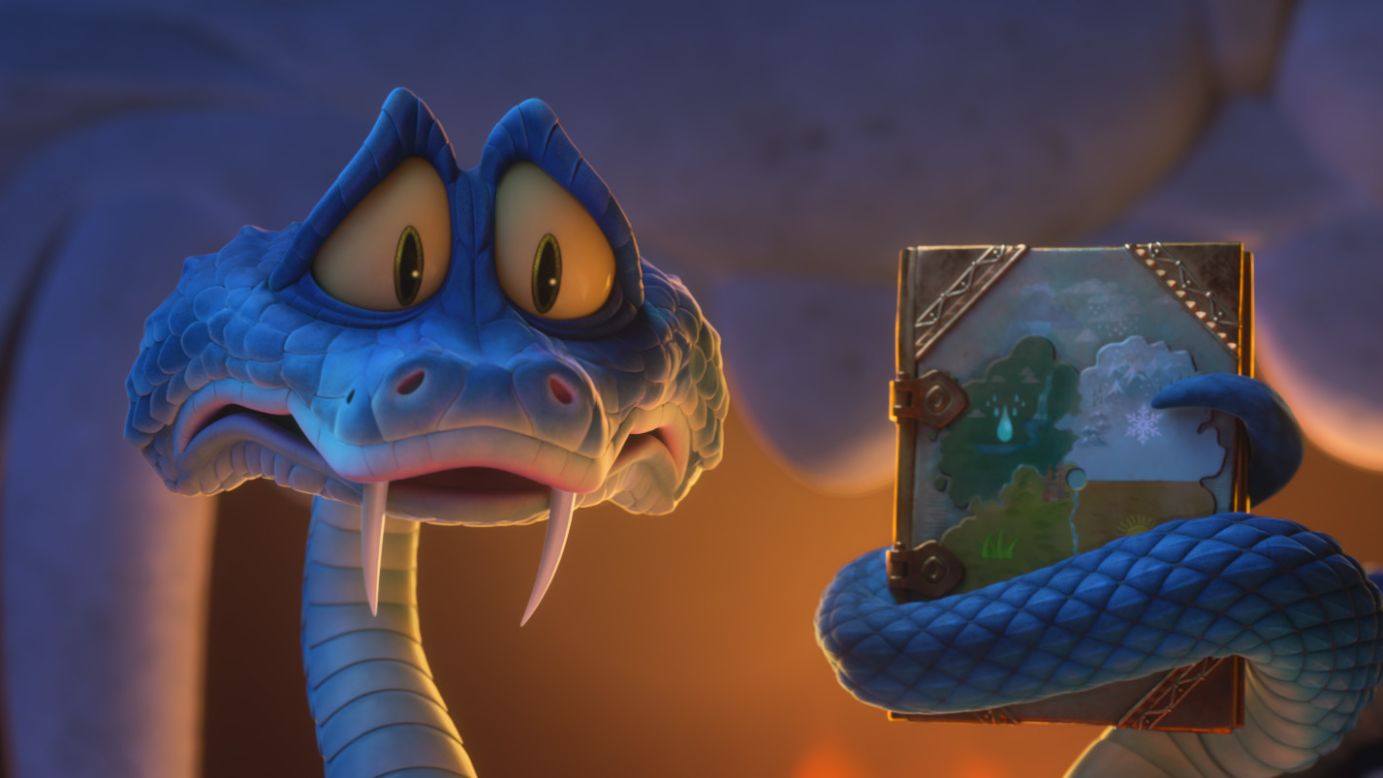
Like its predecessor, Zootopia 2 engages with social themes, but it does so with restraint. Commentary is woven into character arcs and conflicts rather than delivered through overt messaging and exposition. At no point does Gary face the camera and admonish the exclusion of his species, the film trusts its audience to draw connections without being instructed on what to think.
The conflicts we see arise from personal choices, misunderstandings, and institutional pressures. You’re not watching a bunny and fox carry out some otherworldly mission, you’re watching two people fight against injustice, and you want them to win. This subtlety reflects a broader shift in how modern audiences engage with storytelling. Entertainment comes first, meaning follows naturally. By avoiding heavy-handed lectures, Zootopia 2 is able to spark conversation without sacrificing fun.
4. Solid Storytelling Built on a Proven Formula
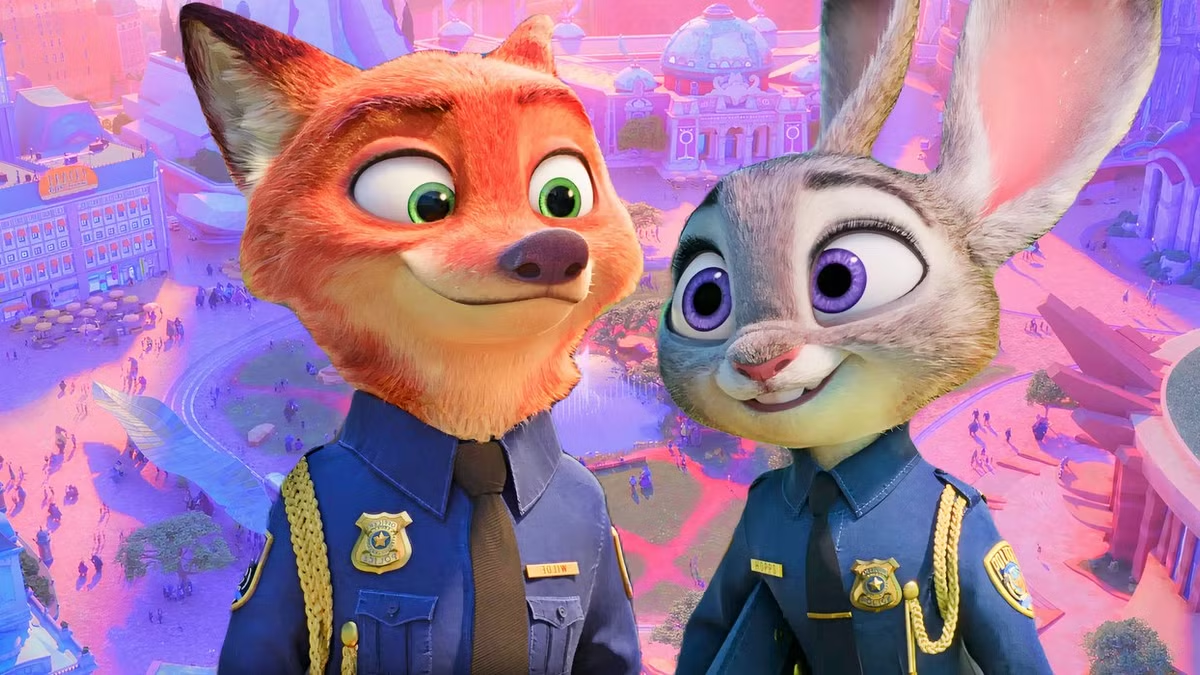
Sequels often walk a tightrope between repeating the formula or risking it all on change. Fall too far in either direction and you have a washed-up rehashing of the original with none of the novelty, or an unrecognisable story holding your favourite characters hostage. Zootopia 2 walks the line with confidence. While the core buddy-cop structure remains, the mystery involving the Lynxley family adds a layer of historical intrigue that expands the lore of the franchise without alienating the original.
New districts expand the narrative canvas, but the central mystery keeps momentum tight. Tension is built through character decisions rather than just prewritten narrative twists, which keeps the lore from getting too convoluted since everything we see on screen is a direct result of a decision we saw. The story doesn’t jump the shark, and try to introduce a hundred new species each with their own district. For an animated film about a city of animals, it has a grounded approach to storytelling that builds on a proven formula in a solid, understandable way.
5. World-Building That Expands Without Overwhelming
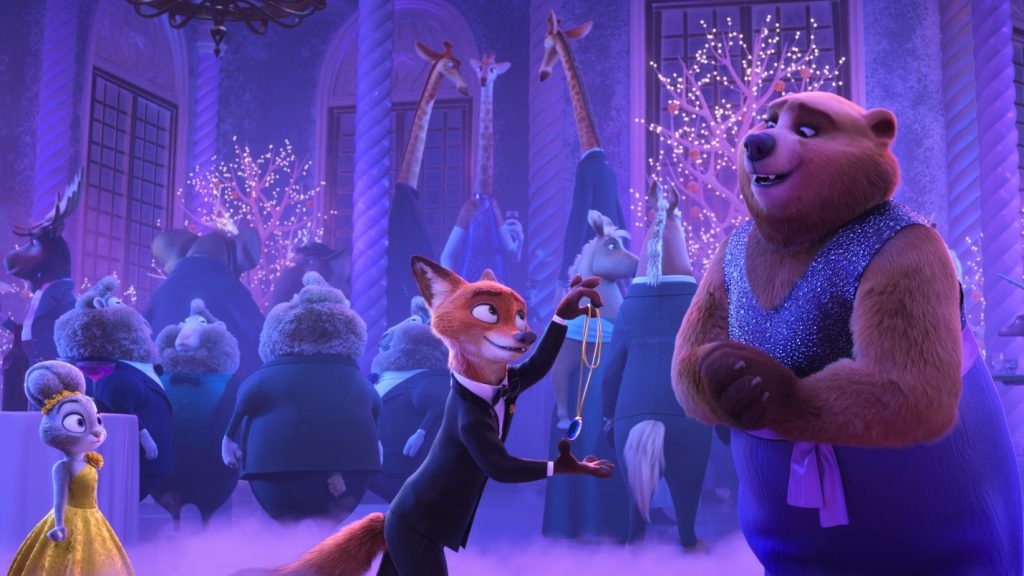
A common issue in a lot of long-running shows and franchises is an overwrought and convoluted story. How do you expand the lore without overcomplicating the plot?
One of Zootopia 2’s quiet achievements lies in how it managed to expand its world without drowning the audience in detail. The new sections feel distinct and the background details do a great job enriching the environment without becoming visual noise. Visual hierarchy is carefully managed, guiding the eye toward story-critical elements even in crowded scenes, and every location we see on screen serves a narrative purpose. It’s a disciplined approach to world-building, especially in a story aimed at children, where the philosophy is often to just throw as many shiny new things on screen as fast as possible. This ensures that the scale of the story enhances the immersion instead of taking you out of it, and the result is a city that feels larger, more complex, and more alive.
6. Stylised Visual Design That Ages Well
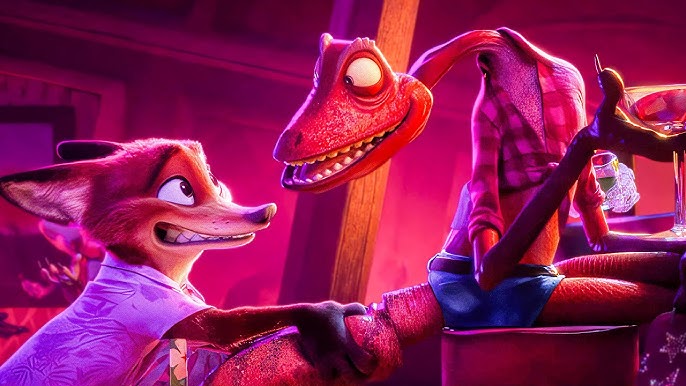
The industry is in a seemingly never ending battle of stylised vs realistic animation. Visually, Zootopia 2 continues to embrace stylisation over hyper-realism. Instead of watching an anatomically accurate bunny and fox seek justice for a snake, the characters are iconic rather than realistic. This means that as technology improves, we’re not going to be picking apart how photo-realistic Judy Hopps looks. This helps ensure the film doesn’t age as quickly as realism-driven projects might.
Furthermore, this style of animation, with clear silhouettes, bold colour palettes, and exaggerated expressions make the animation readable across cultures and age groups. Facial animation can be expressive without being overwhelming, allowing emotions to register instantly regardless of language or cultural background. An anatomically accurate bunny simply can’t emote as well as Judy Hopps can, and would then require changes to be made to convey the same messages.
This approach aligns with broader industry trends where stylisation often proves more flexible and emotionally resonant. It’s a philosophy seen in projects ranging from Riot Games’ Arcane to Netflix’s KPop Demon Hunters. For a vfx and animation studio like CraveFX, who emphasises visual clarity and impact, Zootopia 2 reinforces the idea that style is a strategic advantage, not a limitation.
7. Technical Polish That Supports the Story
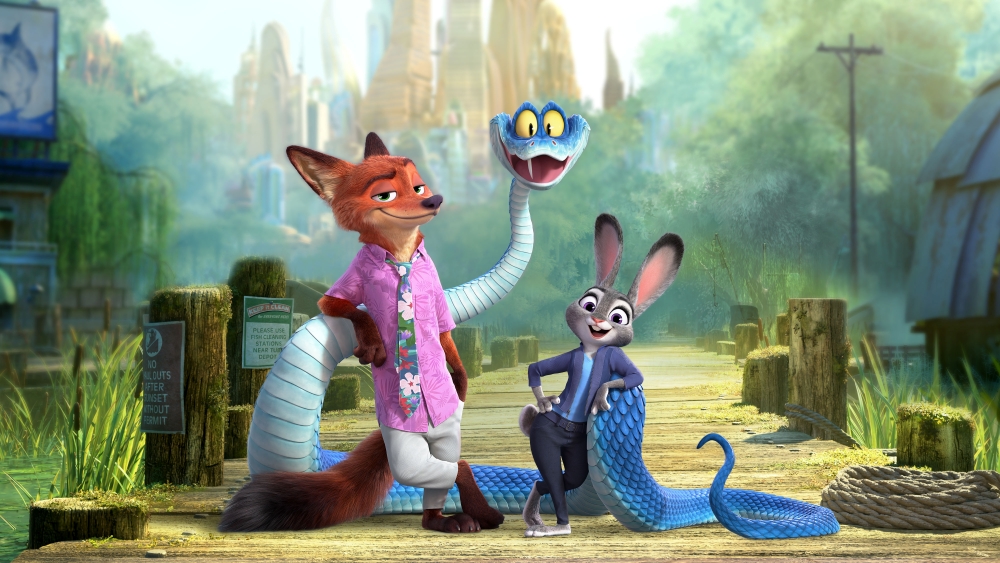
From a technical standpoint, Zootopia 2’s animation is polished, which is arguably the highest compliment for animation. This isn’t to say you are going to be mistaking it for a live-action film anytime soon, but everything, from character movements to the lighting and textures seen on screen feel natural. The lightning subtly enhances the mood, the textures make everything look real without overpowering the stylisation.
With a film like Mufasa or the Lion King remake, the technology is the star of the show. Here, it’s able to seamlessly disappear into the storytelling, reinforcing the idea that the best animation serves emotion and narrative first.
8. Smart Marketing That Extended the Film Beyond the Screen
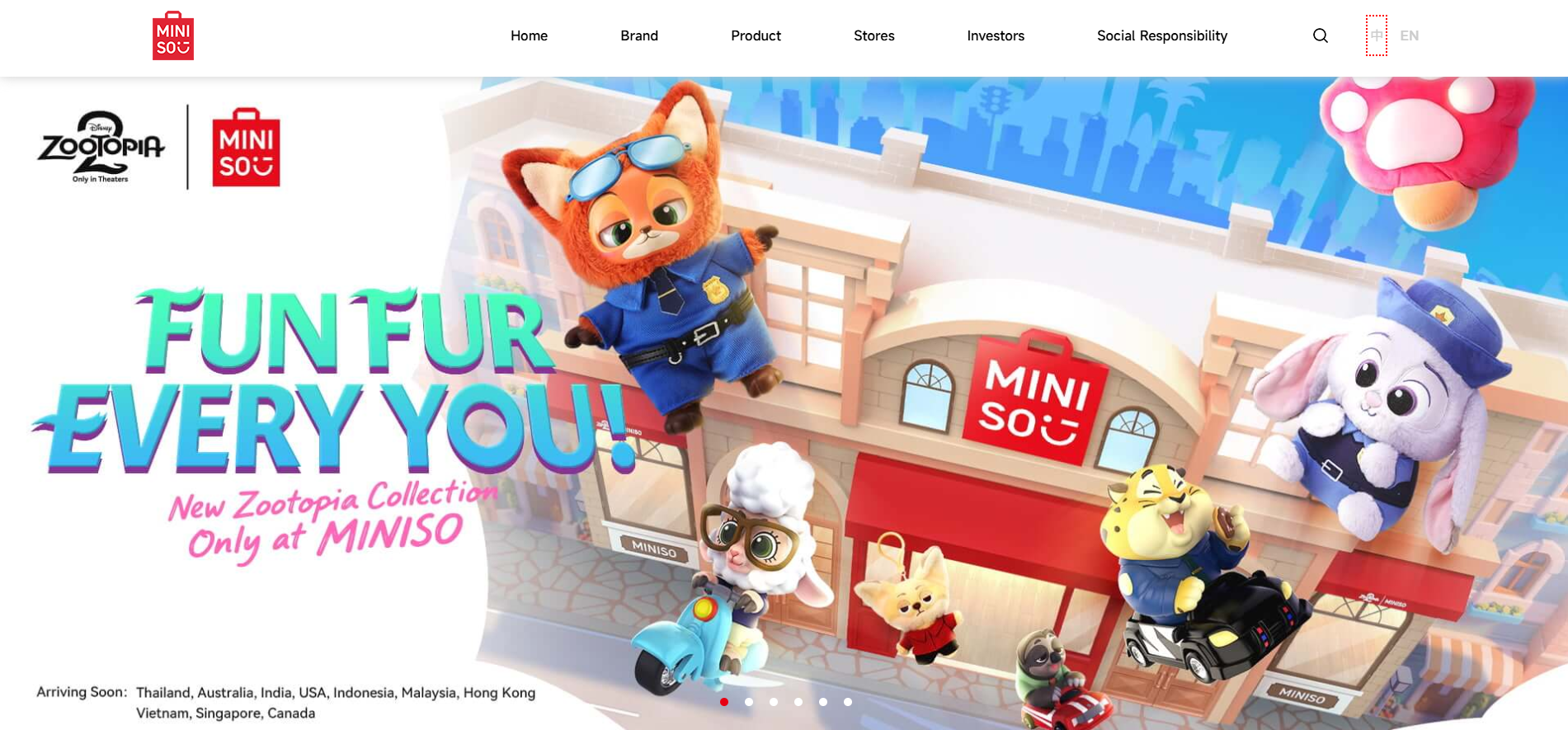
Source: https://www.miniso.com/
The overall success of Zootopia 2 was bolstered by the fact that it wasn’t confined to theatres. Instead, it was backed by a marketing strategy that treated the film as a living brand ecosystem instead of a one-off release.
A standout of this was the Snapchat x Disney campaign, which leveraged Sponsored Snaps and branded AR lenses to reach younger, mobile-centric audiences. In the film, Clawhauser uses Snapcat during a Gazelle concert, and the collaboration allowed fans to use the same filters as the characters, making the marketing feel like a fun extension of the world.
Offline, the MINISO “Fun Fur Every You!” global pop-up campaign transformed the film into a lifestyle experience. With over 300 themed products and immersive installations, the campaign encouraged real-life, physical engagement.
This connected ecosystem of products, partners, and experiences worked together to create a seamless experience for audiences, mirroring strategies seen in Cyberpunk: Edgerunners marketing, where marketing amplifies the storytelling rather than just selling tickets.
Conclusion: Why Zootopia 2 Feels Like a Modern Animated Success
Ultimately, Zootopia 2 succeeded because it understands what modern animation demands. It takes diverse cultures and characters, grounds them in relatable themes, and serves them up in a stylised package with the right marketing machine behind it.
Zootopia 2 shows how modern animation succeeds when storytelling, design, and marketing work as one. Done well, the future of animation will be filled with stories that travel globally, designs that age gracefully, and campaigns that go beyond the screen.